Divided Ninth Circuit Dismisses Justice Department Appeal Over 20,000 California Mail Ballots
A divided Ninth Circuit panel dismissed the Justice Department’s appeal over 20,000 California mail ballots on Monday. It did not decide whether the ballots should be held. It decided that a judge who has not yet ruled has not refused anything.

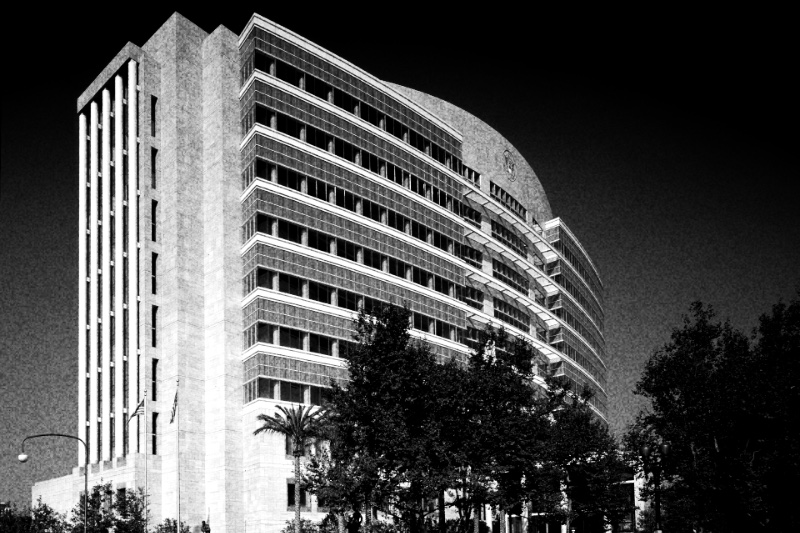
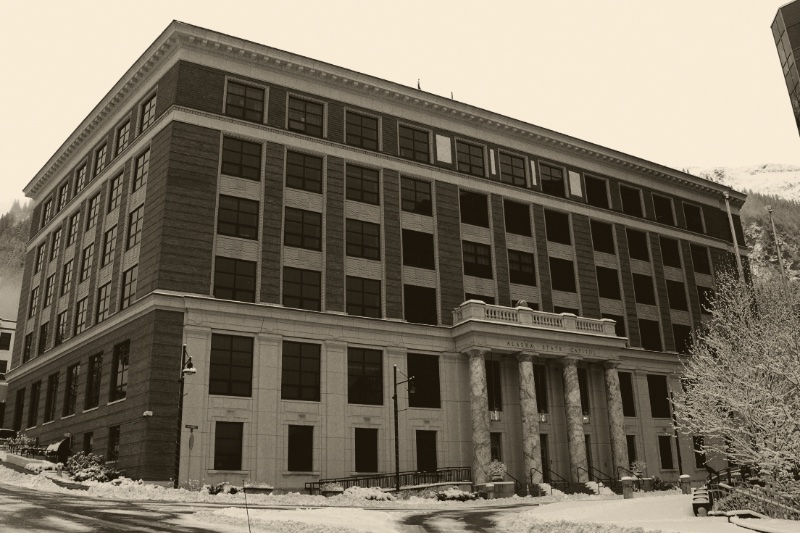
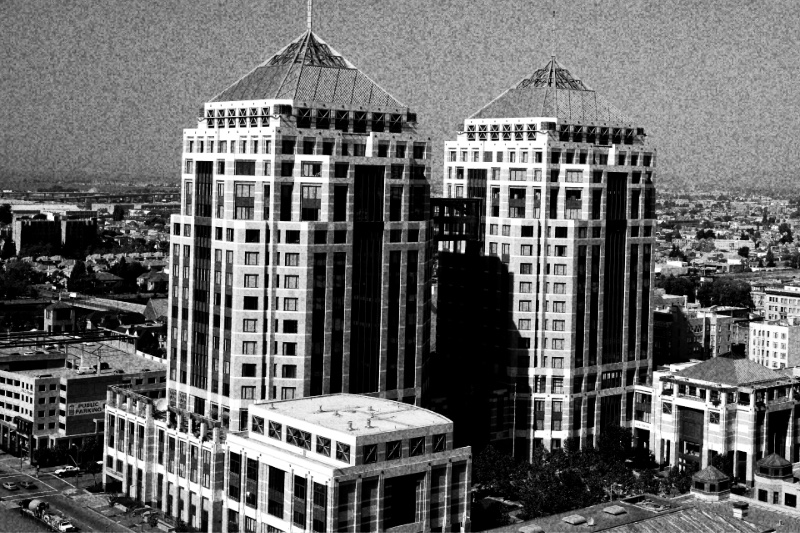
Carol M. Highsmith — Public domain, via Wikimedia Commons
The Ninth Circuit ruled 2-1 on Monday 26 October that it had no jurisdiction over the Justice Department’s appeal seeking to make California set aside about 20,000 mail ballots, because the trial judge had not yet ruled on the request. The case went back to him for a hearing set for Tuesday.
Judges Mark Bennett and Gabriel Sanchez formed the majority and Judge Patrick Bumatay dissented, CBS News reported; Judges Bennett and Bumatay were appointed by President Trump and Judge Sanchez by President Biden. The panel granted a motion to dismiss filed by Dean Logan, the Los Angeles County registrar. “The United States’s claimed emergency, at least in part, is a self-constructed one,” the majority wrote, and “at least part of the delay here is attributable to the United States’s own delay in filing suit,” according to United Press International.
This publication set out on 25 October, in Inside the Ninety Days, what the department is asking for and why it says holding a ballot is not removing a voter. Monday’s order does not touch that argument. It answers a narrower, earlier question.
Why did the appeals court have nothing to decide?
Because an appeals court generally reviews orders, and Judge David O. Carter had not issued the one the department wanted reviewed. Federal courts of appeals may hear immediate appeals from interlocutory orders “granting, continuing, modifying, refusing or dissolving injunctions,” under 28 U.S.C. § 1292(a)(1). A request for a temporary restraining order that a judge has scheduled for argument has not been granted or refused.
The department’s answer was that Judge Carter’s silence amounted to a refusal. It filed its notice of appeal on 22 October, arguing that “the Court’s silence is a constructive denial,” after asking for a ruling first “by November 3, 2026” and then by noon the next day. Judge Carter had received the case on 21 October; his order of 23 October said he “will rule promptly after hearing from the Parties at oral argument on Tuesday, October 27, 2026.” The panel held that the government had not given the district court an “adequate opportunity” to rule, CBS reported. At the Sunday argument, Judge Bennett had told the department’s lawyer, Matthew Donnelly, “I don’t see how we have jurisdiction,” ABC News reported. (This publication has written before about the appeal you cannot take before a final judgment.)
How compressed was the timetable?
Eleven days from lawsuit to dismissed appeal, with the election eight days after that. The table is this publication’s timeline, assembled from the docket dates reported on 25 October and Monday’s coverage.
| Date | Event |
|---|---|
| 13 October | Department sends Los Angeles County a list of names with a 48-hour deadline |
| 15 October | Department sues California, the Secretary of State and Mr Logan |
| 19 October | Application for a temporary restraining order |
| 21 October | Case assigned to Judge Carter |
| 22 October | Notice of appeal: silence as “constructive denial” |
| 25 October (Sunday) | Ninth Circuit argument |
| 26 October | Appeal dismissed, 2-1 |
| 27 October, 1 p.m. | District court argument on the restraining order |
| 3 November | Federal election |
That is the sense in which the majority called the emergency partly “self-constructed”: the department chose the start date, and the court chose only the hearing date. CBS reported that the department could seek reconsideration by the full Ninth Circuit, with a deadline of 7 p.m. local time on Monday. No report this publication read on Tuesday morning said that it had.
What did the dissent say?
That the federal government may act to protect federal elections, and that the court should have reached the question. Judge Bumatay wrote that “the federal government has a sovereign interest in safeguarding federal elections” and, on whether it may sue to do so, “Under both federal law and the Constitution, the answer must be ‘yes,’” CBS reported. His opinion goes to the merits. The majority’s does not.
What do the counties’ numbers show so far?
Less than the list implies. Los Angeles County said its share of the federal list held 7,035 records with county addresses, and that in a sample of 200, 112 belonged to cancelled or inactive registrations to which no ballot had been mailed, CBS reported. By this publication’s arithmetic, that is 56 per cent of the sample with no ballot to set aside. The county also told the court that many in the sample “indicate that they were born in the United States, which is strong evidence of citizenship,” ABC reported. The county has processed an estimated 550,000 mail ballots, according to CBS. A sample of 200 from one county is not a finding about 20,000 names statewide, and the department has not published how its list was built.
Judge Carter now hears the request the department has been trying to take past him. Whatever he decides, the Ninth Circuit will then have an order to review.
Update, 28 October: Judge Carter heard the department’s request for more than three hours on Tuesday 27 October and ended the hearing without ruling, saying he would rule on Wednesday, ABC7 Los Angeles reported. He appeared sceptical of a restraining order, telling the department, “You’ve got a remedy for goodness sake. Go out and indict,” and pointed to California’s 3 December certification date as the deadline that matters. He said he intends to appoint a special master to examine how the department compiled its list of about 20,000 names, ABC News reported, and indicated a further hearing in the coming weeks. Until he rules, there is still no order for the Ninth Circuit to review.
Further reading
- Appeals court dismisses DOJ’s request to force California to set aside ballotsCBS News
- Appeals court declines to step in on Trump administration’s California voting caseABC News
- Appeals court rejects Justice Department demand to remove mail ballotsUPI
- 28 U.S.C. § 1292: Interlocutory decisionsLegal Information Institute
- Judge to appoint special master in California voting case in setback to DOJ’s attempt to quickly interveneABC News
- California judge to rule Wednesday on DOJ bid to set aside 20,000 ballotsABC7 Los Angeles
Owen Blackwood is a house byline used by The 13th Bell’s Politics desk. This piece was checked against the sources listed below before an editor approved it. See How we use AI.
Get The 13th Bell in your inbox