Ports Are the New Chokepoint Politics
Ownership of terminal infrastructure has become a security question in a dozen countries at once, and the reviews are arriving after the deals.

For most of the past forty years, a port was treated as a piece of commercial real estate. Who operated the terminal was a question for the market, and the market answered it with whoever could move boxes most cheaply.
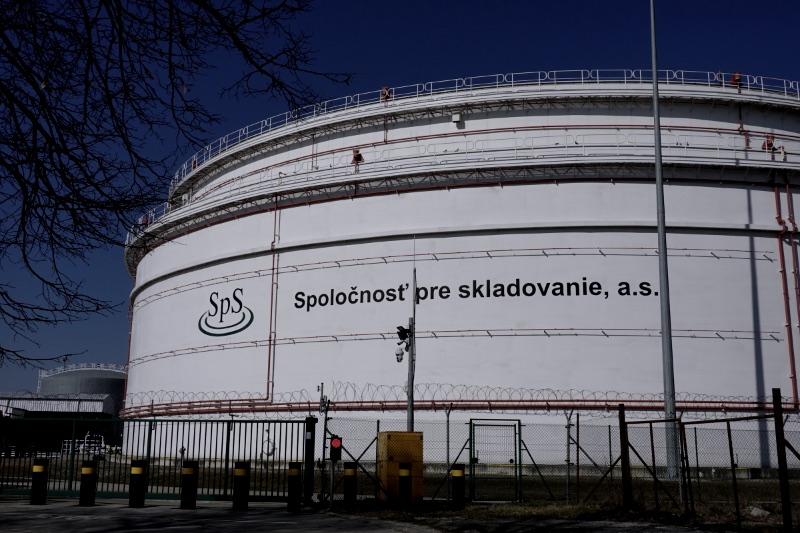
That framing is being retired. A terminal is now understood as a node with three attributes that governments care about: physical access to cargo, visibility into what moves and when, and control over equipment that can be disabled.
What changed the assessment
Three things, roughly in order of importance. The first is that logistics data turned out to be strategically valuable. Knowing what is being shipped, in what volumes, to which consignees, on what schedule, is a detailed picture of an economy and a military's sustainment.
The second is that the equipment became networked. Modern cranes and terminal operating systems are connected, remotely serviceable, and updated from somewhere. Every one of those properties is a convenience and an exposure.
The third is that recent years supplied examples of infrastructure access being used for leverage, which converted an abstract concern into a concrete one.
A terminal is not just where cargo lands. It is a sensor, a switch, and a dependency.
The reviews came late
Investment screening regimes were built for a different set of worries, mostly defense manufacturing and advanced technology. Ports were not on the list, and a great deal of ownership changed hands before anyone updated it.
Retroactive review is legally messy and diplomatically expensive. Governments are doing it anyway in a handful of cases, and the results have been uneven: forced divestments in some jurisdictions, negotiated security arrangements in others, and in several cases a decision to live with an arrangement that would not be approved today.
The cost of unwinding
There is a real tradeoff here that gets skipped in the security framing. The operators being scrutinized were often the ones willing to invest at scale in facilities that badly needed capital, in places where domestic investors were not lining up.
Replacing them requires either public money or a domestic buyer with an appetite for a low margin, capital intensive business. Both are available in some countries and scarce in others. The states with the least capacity to fund alternatives are the ones facing the most pressure to divest, which is a predictable source of resentment.
What a sensible policy looks like
The workable version separates the concerns. Data flows can be restricted without changing ownership. Equipment can be air gapped, audited, and required to accept updates only from approved sources. Contingency operating plans can be written and exercised so that a terminal can run in a degraded mode if remote support disappears.
None of that is as satisfying as a divestment order, and none of it makes a headline. It also addresses most of the actual risk at a fraction of the cost, which is the sort of tradeoff that governments make when the pressure to be seen doing something is manageable, and skip when it is not.
A port is infrastructure and it is also a legal jurisdiction, and the second is what makes it a lever. Whoever controls the terminal controls who may berth, in what order, and on what terms.
The law of the sea governs passage and says comparatively little about the landside, which is where ownership and operating concessions actually decide things.
That gap is the whole opportunity. A state that would not interfere with a strait can acquire an operating concession, and the second is unremarkable commercial activity until the moment it is not.
The maritime organisation sets standards for vessels and their crews, which is a genuinely international regime, and it does not reach who owns the crane.
The shipping regulations handle the domestic end, and the review of foreign investment in port facilities is a national decision taken case by case, usually confidentially.
So the picture is a heavily regulated ship arriving at a lightly examined terminal, and the examination that does happen is not published in a form anyone can aggregate.
The trade administration publishes flows, which shows the dependency clearly enough. What no public source shows is the ownership chain behind the handful of terminals each flow passes through.
That is the useful thing to ask for and the easiest to grant. Not a restriction on who may invest, but a register of who operates the facilities a country's imports actually move through.
Samuel Ortiz-Reyes writes for The 13th Bell on economy. This piece was edited and fact checked before publication.
Get The 13th Bell in your inbox