A Vote Pulled Before the Runoff
Brazil’s Senate president took a public-security amendment off Thursday’s agenda, citing complaints about how its fast-track calendar was approved. The opposition says he spared Lula a fight before the runoff. Any change the Senate makes sends the text back to the Chamber.

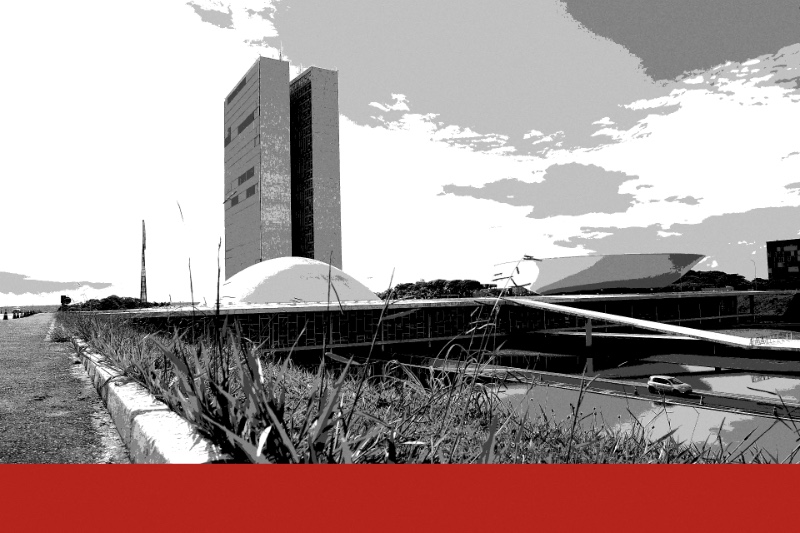
Boaventuravinicius — CC BY-SA 4.0, via Wikimedia Commons
Davi Alcolumbre, the president of Brazil’s Federal Senate, took a constitutional amendment on public security off the floor agenda on Thursday 15 October, hours before it was due to be voted. The text, PEC 18/2025, widens cooperation among federal, state and municipal security forces against organised crime. Alcolumbre said the vote was postponed to avoid a “discussão açodada,” a rushed debate, and so that senators could reach agreement on the amendments filed to it, Agência Senado, the chamber’s news service, reported. He set no new date. The presidential runoff is on 25 October.
The reason he gave is about procedure. The reason his opponents gave is about the runoff. Both turn on the same mechanism: any change the Senate makes sends the text back to the other house.
The calendar and the celebration
A constitutional amendment must pass each house twice, by three-fifths of its members, under Article 60 of the constitution; in the 81-seat Senate that is 49 votes. The Senate’s rules put waiting periods between the rounds, which a special calendar can shorten, as it did when the chamber passed the end of the six-day working week by 75 votes to one the day before. A special calendar had been approved for PEC 18/2025 too, which is why the vote had been set for Thursday.
Alcolumbre told the chamber he had been criticised over that calendar. In the agency’s transcription he said: “A minha decisão é tirar da pauta de votação de hoje, atendendo àqueles que acharam que botei [a votação do requerimento de calendário especial] no meio da comemoração [da aprovação da PEC que acaba com a escala 6x1] para não haver pedido de verificação.” In English: my decision is to take it off today’s voting agenda, heeding those who thought I put the vote on the special-calendar request in the middle of the celebration of the end of the six-day week so that nobody would call for a verification, a recorded count of a vote taken symbolically. The bracketed words are the agency’s. He did not concede the point. He said he was acting on the objection, and that his decision did not answer a request from the government.
Five amendments, two about age
PEC 18/2025 has already passed the Chamber of Deputies. Alcolumbre reminded senators, the agency reported, that approving amendments that change the text would send it back there. Five new floor amendments were filed, numbered 84 to 88. Two concern the age of criminal responsibility. Amendment 84, from the opposition leader Rogério Marinho of the Liberal Party, would set it at 16 as a general rule and at 14 for heinous crimes, torture, drug trafficking, terrorism and membership of criminal organisations. Amendment 87, from Camilo Santana, leader of the Workers’ Party in the Senate, keeps 18 as the rule and lowers it to 16 for heinous crimes. The others, from Carlos Portinho and Eduardo Gomes, concern the armed forces’ role in public security, traffic officers and staff of the juvenile justice system.
Santana’s amendment broke a plan. Teresa Leitão, the government’s leader in the Senate, had negotiated with Alcolumbre to vote the text without changes on the age question, and said she had spoken to Santana and to the rapporteur, Rogério Carvalho, to preserve the strategy of passing it unamended, Poder360 reported.
Two accounts of the delay
Marinho told reporters, according to Poder360, that Alcolumbre had spared President Luiz Inácio Lula da Silva’s party a damaging debate on the age of criminal responsibility days before the runoff. “Não tenho dúvida de que Alcolumbre atendeu a um desejo do governo,” he said: I have no doubt that Alcolumbre met a wish of the government. He suggested Lula had asked for the text to be pulled, and said he did not expect it back before the runoff.
Santana denied it. “Não teve nenhum pedido do governo para o Alcolumbre não pautar agora,” he said, according to Poder360: there was no request from the government for Alcolumbre not to schedule it now. The aim, he said, had been to vote on Thursday and see the text promulgated on Friday alongside the six-day-week amendment. Randolfe Rodrigues, the government’s leader in Congress, said the vote could still come before the election, Agência Senado reported.
The six-day-week amendment was promulgated on Friday as Constitutional Amendment 141, with Lula in the chamber. The security amendment will return to the agenda after an agreement on the amendments, Alcolumbre announced, in the agency’s account. That makes its timing depend not on a date but on whether the senators who filed rival age clauses settle on one, none, or a text that has to go back to the Chamber.
Further reading
- Davi Alcolumbre retira PEC da Segurança Pública da pauta desta quinta-feira (15 October 2026)Agência Senado
- Alcolumbre protege Lula ao tirar PEC da segurança da pauta, diz MarinhoPoder360
- Camilo nega pedido do PT para adiar PEC da segurança e rebate oposiçãoPoder360
- Randolfe: PEC da Segurança pode ser votada antes do 2º turnoAgência Senado
- Constituição da República Federativa do Brasil, Art. 60Presidência da República
Claire Vantassel writes for The 13th Bell on world. This piece was edited and fact checked before publication.
Get The 13th Bell in your inbox