The Repeal Is a Rulemaking Too
The EPA has scrapped the Biden-era limits on power plant carbon emissions and proposed removing the rest. Undoing a rule takes the same procedure as writing one, and it will be judged in court on the same terms.

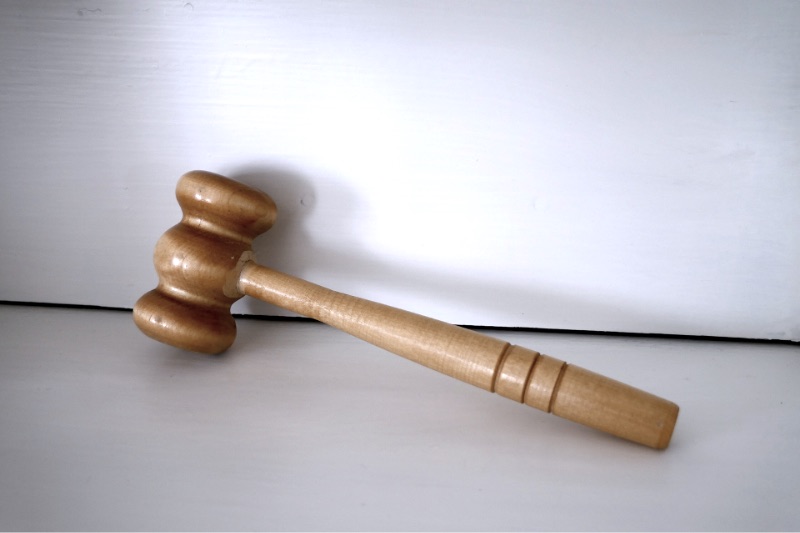
Alan Stark — CC BY-SA 2.0, via Wikimedia Commons
The Environmental Protection Agency on Monday repealed the limits on carbon dioxide from power plants finalised under the Biden administration. It also proposed rescinding all remaining greenhouse gas standards for the sector.
Administrator Lee Zeldin called it the largest deregulatory action for the power sector in the country's history. "The days of Biden and Obama working to destroy natural gas and coal are over," he said.
The repeal removes requirements that existing coal plants and new gas plants sharply cut their carbon dioxide emissions beginning in the 2030s. The agency's stated position is that federal law does not allow it to regulate power plant emissions in order to address climate change.
Environmental groups have said they will sue. The case they bring will turn less on climate science than on administrative procedure.
The section of the Clean Air Act at issue lets the EPA set performance standards for categories of stationary sources that cause or contribute significantly to air pollution that may endanger public health or welfare, based on the best system of emission reduction that has been adequately demonstrated.
The 2024 rule used that authority to require carbon capture or equivalent reductions at the plants covered. It was built on a long administrative record: technical findings about cost, feasibility and the performance of capture technology.
An agency cannot erase a rule of that kind with a press release. Repeal is itself a rulemaking. It needs a proposal, a public comment period, a response to the significant comments, and a final rule with reasons that can be tested against the record.
That is the ground on which Monday's action will be fought.
An agency is free to change its mind. What it cannot do is change its mind without explaining why, or ignore the findings it made the first time. When a new rule rests on factual conclusions that contradict the earlier record, the agency has to confront the contradiction rather than simply replace it.
The EPA's legal argument avoids some of that difficulty by resting on authority rather than facts. If the statute does not permit these rules at all, the record about capture technology and cost matters less.
The Supreme Court's 2022 decision in West Virginia v. EPA is the foundation for that argument. The Court struck down the Obama-era Clean Power Plan, holding that the agency could not use this provision to force a shift in how the country generates electricity without clear authorisation from Congress.
The 2024 rule was drafted with that decision in mind. It regulated what happens at each plant rather than requiring a move away from fossil generation. The repeal argues that even this goes too far. A court will have to decide whether the 2022 decision reaches that far, and the answer is genuinely uncertain.
Deeper in the background is a 2007 decision holding that greenhouse gases are air pollutants under the Clean Air Act. Any argument that the statute cannot reach power plant carbon at all runs into that holding, which is why the agency's lawyers will frame the question as how, not whether.
The EPA's own emissions inventory records the stakes the agency is now arguing it cannot address. Electricity generation is the second-largest source of US greenhouse gas emissions, after transportation.
There is a practical asymmetry worth noticing. The 2024 rule's requirements did not begin until the 2030s, so repealing them changes little on the ground this year. What it changes is investment: utilities planning plants that will run for decades now plan without the requirement, and a court decision years from now cannot easily reverse a plant already built.
That is often the real effect of regulatory reversals in long-lived industries. The litigation tests the legal reasoning. The planning decisions made while the litigation runs are what last.
The proposal to remove the remaining standards will open its own comment period. The docket it produces, and the agency's answers to what goes into it, will be what a court eventually reads.
Further reading
- Standards of performance for new stationary sources, 42 U.S.C. § 7411Office of the Law Revision Counsel, U.S. House
- West Virginia v. EPA, 597 U.S. ___ (2022)Justia
- Greenhouse Gas Standards and Guidelines for Fossil Fuel-Fired Power PlantsU.S. Environmental Protection Agency
Peter Osei-Bonsu writes for The 13th Bell on power. This piece was edited and fact checked before publication.
Get The 13th Bell in your inbox