Patriotism Without Nostalgia
Attachment to a country is usually expressed as a claim about its past. It works better as a claim about obligations in the present.

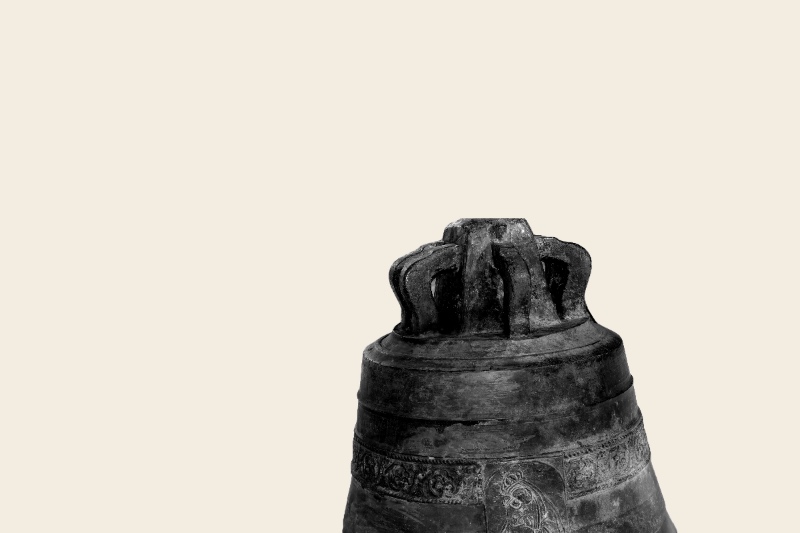
Noah Wulf — CC BY-SA 4.0, via Wikimedia Commons
Most public patriotism is a memory claim. It asserts that the country was once a particular way and that the speaker's project is to restore it, which puts the argument permanently in the past tense.
The trouble is that the two sides of any national argument remember different countries, and neither memory is available for inspection. A dispute about what was cannot be settled, which is part of why it is so attractive as a mode of argument.
There is an older version that does not require agreement about history. It holds that a citizen owes something specific to the people they share a country with: jury service, honest testimony, paying what is owed, and accepting the outcome of a contest they lost.
That version is demanding, unromantic, and available to anyone regardless of which past they prefer. It also happens to be the version a republic actually runs on, which is a reasonable argument for spending less time on the flags and more on the obligations.
The memory claim has a structural problem that has nothing to do with which memory is correct. It puts the argument somewhere it cannot be settled.
A dispute about what a country was is a dispute about a period neither party can produce for inspection. Both sides can cite, both can be sincere, and no amount of evidence closes it because the disagreement is about emphasis rather than fact.
That is why these arguments run indefinitely and get louder. There is no procedure for resolving them, so the only available move is to assert the memory more forcefully.
The older version avoids the problem by pointing at obligations rather than at a past. It asks what a citizen owes the people they share a country with, now, and the answers are unglamorous and concrete.
Jury service is the clearest of them. A citizen is required to spend their time deciding a stranger's case, and the system depends entirely on enough people treating that as a duty rather than an imposition.
It is a genuinely demanding obligation and almost nobody describes it as patriotic, which is telling. The word has drifted so far toward display that its most literal expression has stopped counting.
The tax code is the other obvious one and attracts the same discomfort. Paying is framed as a burden to be minimised rather than as the mechanism by which a shared undertaking is funded.
Registration sits in the same category for a different reason. It obliges nothing in practice and preserves a capacity, and it survives because a country that might need something keeps the machinery warm.
None of these requires agreement about history. A person who believes the country has mostly improved and a person who believes it has mostly declined owe the identical jury summons.
The founding documents are usually deployed on the memory side of this argument, which is a strange use of them. They are overwhelmingly procedural, concerned with how disputes are to be conducted rather than with how anyone should feel.
That procedural quality is the inheritance worth claiming. It says that a country is a way of handling disagreement, and that the handling is the thing owed rather than the agreement.
It is a thinner patriotism than the memory version and a more available one, because it asks for something a citizen can actually do on a Tuesday rather than something they must first believe.
The obvious objection is that obligations alone are cold, and that no country has ever held together on a list of duties. That is probably true and it is not what the argument requires.
Attachment can be as warm as anyone likes. What it cannot usefully be is a claim about a past that the other half of the country remembers differently, because that version has no way of ending except by one side losing.
Claire Vantassel writes for The 13th Bell on ideas. This piece was edited and fact checked before publication.
Get The 13th Bell in your inbox